Trying to choose between a condo and a house in Carolina can feel simple at first, until you start weighing beach access, maintenance, privacy, and price all at once. If you are moving locally, buying a second home, or looking for a practical coastal base, the right choice depends on how you want to live day to day. This guide breaks down the real trade-offs in Carolina so you can compare both options with more confidence. Let’s dive in.
Carolina Market Snapshot
Carolina sits on Puerto Rico’s northeast coast and includes major lifestyle anchors like Luis Muñoz Marín International Airport, Isla Verde, and Balneario de Carolina. Isla Verde is widely recognized for its beach access and walkable mix of hotels, shops, and restaurants, which helps explain why many buyers focus their search there.
Market data also shows why property type matters here. U.S. Census QuickFacts for Carolina zona urbana reports a population of 138,304, an owner-occupied housing rate of 67.3%, a median owner-occupied home value of $158,400, and median monthly owner costs with a mortgage of $1,102. Realtor.com’s May 2026 snapshot placed Carolina’s median listing price at $475,000, with 177 active listings and a median of 69 days on market, a reading that aligned with a buyer’s market at that time.
Location can shift pricing fast. In ZIP code 00979, which includes much of the Isla Verde corridor, Realtor.com reported a median listing price of $567,500, above the citywide median. In practical terms, beach-adjacent inventory often carries a premium.
What Carolina Condos Offer
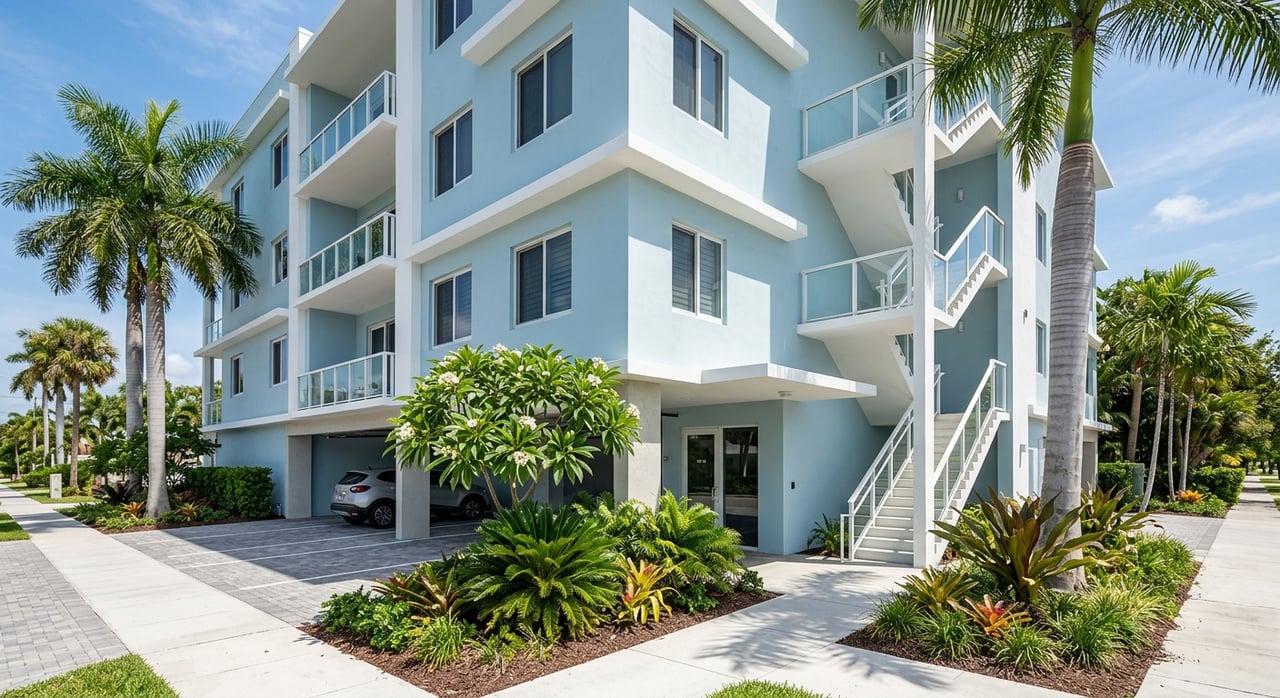
Condos in Carolina often appeal to buyers who want convenience, shared amenities, and easier upkeep. This is especially true near Isla Verde and other coastal blocks, where many listings place you close to the beach corridor and within reach of the airport, dining, and retail.
Puerto Rico’s condominium law is built around shared ownership and shared maintenance. Common elements can include land, roofs, patios, parking areas, and recreational spaces, and the condominium governing body is responsible for maintaining those shared areas. As an owner, you contribute to common expenses through maintenance dues.
That setup can reduce the amount of exterior work you handle yourself, but it also means recurring fees and building rules. Under the same law, unpaid maintenance dues can be pursued judicially, so it is important to understand your monthly obligation before you buy.
Carolina’s current condo inventory spans a wide price range. Recent examples on Realtor.com ranged from about $215,000 for a one-bedroom, one-bath unit in 00979 to $1.2 million for a two-bedroom, two-bath condo in 00949. Many Isla Verde condos were listed between roughly $265,000 and $650,000, with premium units reaching $790,000 to $800,000 and above.
Why Buyers Choose Condos
A condo may be a strong fit if you want:
- Lower exterior maintenance
- Shared amenities
- Proximity to Isla Verde and the beach corridor
- Easier part-time or seasonal use
- A lock-and-leave lifestyle
For many buyers, the appeal is not just the unit itself. It is the ease of owning in a managed building while staying close to Carolina’s coastal activity centers.
Condo Rules Matter
If rental flexibility is part of your plan, make sure you review the building documents carefully. Puerto Rico condominium law states that short-term rentals cannot be prohibited unless the master deed or bylaws already set a minimum lease term. Even when short-term rentals are allowed, the building may still regulate how they operate and may charge a special monthly fee up to the maintenance amount.
That means one condo building may function very differently from another. Before you make an offer, you will want to verify exactly what is permitted in that specific property.
What Carolina Homes Offer
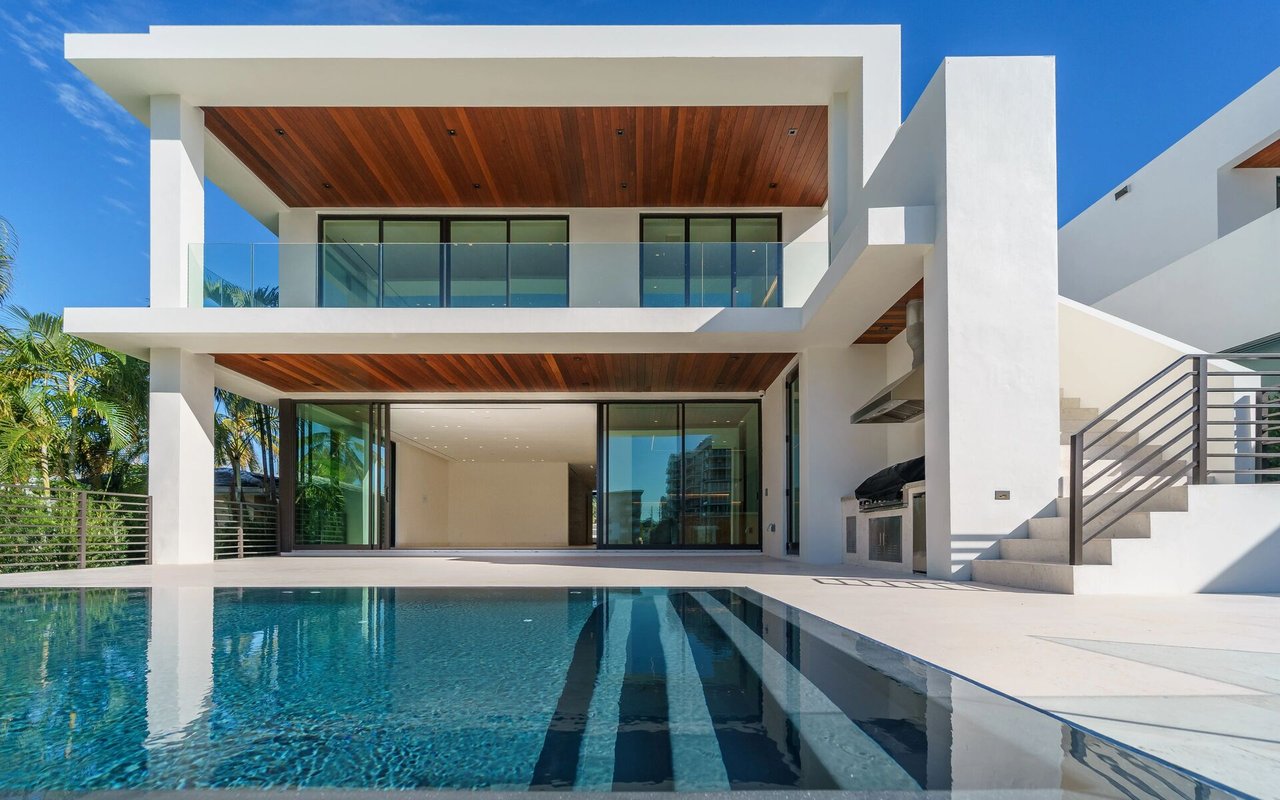
Single-family homes in Carolina usually offer a different kind of value. Instead of shared walls and common areas, you are often getting more lot space, more bedrooms, and more direct use of outdoor areas such as patios, pools, or yards.
Current house listings illustrate that range clearly. Recent examples on Realtor.com included a three-bedroom, one-bath home in Urb. Vistamar listed at $245,000, a four-bedroom, three-bath house at $550,000, a four-bedroom, 4.5-bath home at $775,000, a five-bedroom, 6.5-bath new house at $2.5 million, and a four-bedroom, three-bath home on nearly one acre in Santa Cruz listed at $400,000.
Compared with condos, a detached home generally gives you more direct control over exterior upkeep and future changes. That can be a major advantage if you value privacy, space, or the ability to shape the property around your long-term needs.
Why Buyers Choose Homes
A house may be the better fit if you want:
- More privacy
- A yard or larger lot
- More bedrooms or multigenerational space
- More freedom to customize the property
- Fewer shared-governance rules
In Carolina, houses also tend to be spread across a wider mix of neighborhoods and urbanizations, including areas like Vistamar, Santa Cruz, Carolina Pueblo, and other inland pockets. That often gives you more variety in lot size, layout, and setting.
Carolina Location Shapes the Decision
In many markets, the condo-versus-home question is mostly about budget or maintenance. In Carolina, location plays an even bigger role. The beach-and-airport corridor tends to favor condo living, while inland neighborhoods and urbanizations support more traditional single-family ownership.
If you picture yourself near Isla Verde, with easy access to beaches and a more urban-coastal routine, your options may lean more heavily toward condos. If you picture more private residential space, larger lots, or a home with more separation from shared building systems, a detached house may align better with your lifestyle.
This is why there is no universal winner. The better choice is the one that fits how you expect to use the property over the next several years.
Key Questions To Ask Before You Buy
The smartest way to compare condos and homes in Carolina is to look beyond the purchase price. Ongoing costs, rules, and responsibilities can shape your ownership experience just as much as the list price.
What To Verify for a Condo
Before making an offer on a condo, confirm:
- The monthly maintenance fee
- What the maintenance fee covers
- Whether there is a reserve fund
- Whether any special assessment is planned
- Parking rights
- Pet rules
- Rental rules
- Whether the bylaws allow or restrict short-term rentals
These details can affect both your monthly budget and how you use the property. A well-located condo can be very convenient, but only if the building’s structure and rules match your goals.
What To Verify for a Home
Before making an offer on a house, confirm:
- Lot boundaries
- Exterior maintenance expectations
- Any homeowners association rules, if the home is in a planned or gated community
- The cost of keeping the property in storm-ready condition
A house may give you more autonomy, but it also shifts more responsibility to you as the owner. Knowing those obligations upfront helps you budget more accurately and avoid surprises after closing.
Condo or Home: Which Fits You Best?
If your top priorities are convenience, beach proximity, shared amenities, and simpler exterior upkeep, a condo may be the right fit in Carolina. This is especially true if you want a seasonal residence or a coastal home base near Isla Verde.
If your top priorities are privacy, lot space, more bedrooms, and more control over the property, a house may serve you better. This can make sense if you plan to live in the home full time, want outdoor space, or need flexibility for a larger household.
The best decision usually comes down to your daily routine, not just the headline price. In Carolina, condos often trade land and privacy for convenience and amenities, while homes often trade shared upkeep for more autonomy and space.
When you are comparing both, it helps to work with a team that understands the nuances of Puerto Rico’s coastal inventory, condominium structures, and neighborhood-by-neighborhood pricing. If you want tailored guidance on Carolina properties, Coldwell Banker - Puerto Rico can help you evaluate the options with a private, high-touch approach.
FAQs
What is the main difference between condos and homes in Carolina, Puerto Rico?
- In Carolina, condos usually offer shared amenities, lower exterior maintenance, and stronger proximity to the beach corridor, while homes usually offer more privacy, more lot space, and more control over the property.
Are condos in Carolina usually closer to Isla Verde?
- Many current condo listings are concentrated in the Isla Verde and 00979 corridor, so condos are often a practical option if beach access and coastal convenience are high priorities.
Are homes in Carolina more affordable than condos?
- It depends on the property and location. Current listings show both condos and homes across a wide price range, so your budget should be compared against size, location, and ownership costs rather than property type alone.
What should you review before buying a Carolina condo?
- You should review the monthly maintenance fee, what it covers, reserve funds, any planned special assessments, parking rights, pet rules, rental rules, and any bylaw provisions related to short-term rentals.
What should you review before buying a Carolina house?
- You should confirm lot boundaries, exterior maintenance responsibilities, any homeowners association rules if applicable, and the likely cost of keeping the property storm-ready.
Is Carolina a good place to compare beach condos and inland homes?
- Yes. Carolina offers a clear contrast between beach-adjacent condo living near Isla Verde and more traditional single-family living in inland neighborhoods and urbanizations.