Relocating for work can feel simple on paper and surprisingly complex in real life. If Guaynabo is on your shortlist, you probably want more than a map pin and a price range. You want to know what living there actually looks like, what kind of housing you will find, and how well it supports your daily routine. This overview will help you understand Guaynabo’s housing mix, price expectations, commute patterns, and convenience factors so you can make a more confident move. Let’s dive in.
Why Guaynabo Appeals to Corporate Relocation
Guaynabo is a midsized municipality in the San Juan metro area with 89,780 residents counted in 2020 and an estimated 89,405 residents in 2024. For many professionals, its main appeal is convenience. The municipality highlights direct access to major roads and highways, plus close proximity to San Juan and Luis Muñoz Marín International Airport.
That location makes Guaynabo practical for people who need to balance work, errands, and travel. The city also includes office parks, retail zones, and commercial nodes that support day-to-day living. If your relocation priorities include efficiency and access, Guaynabo stands out for those reasons.
Guaynabo Housing Types
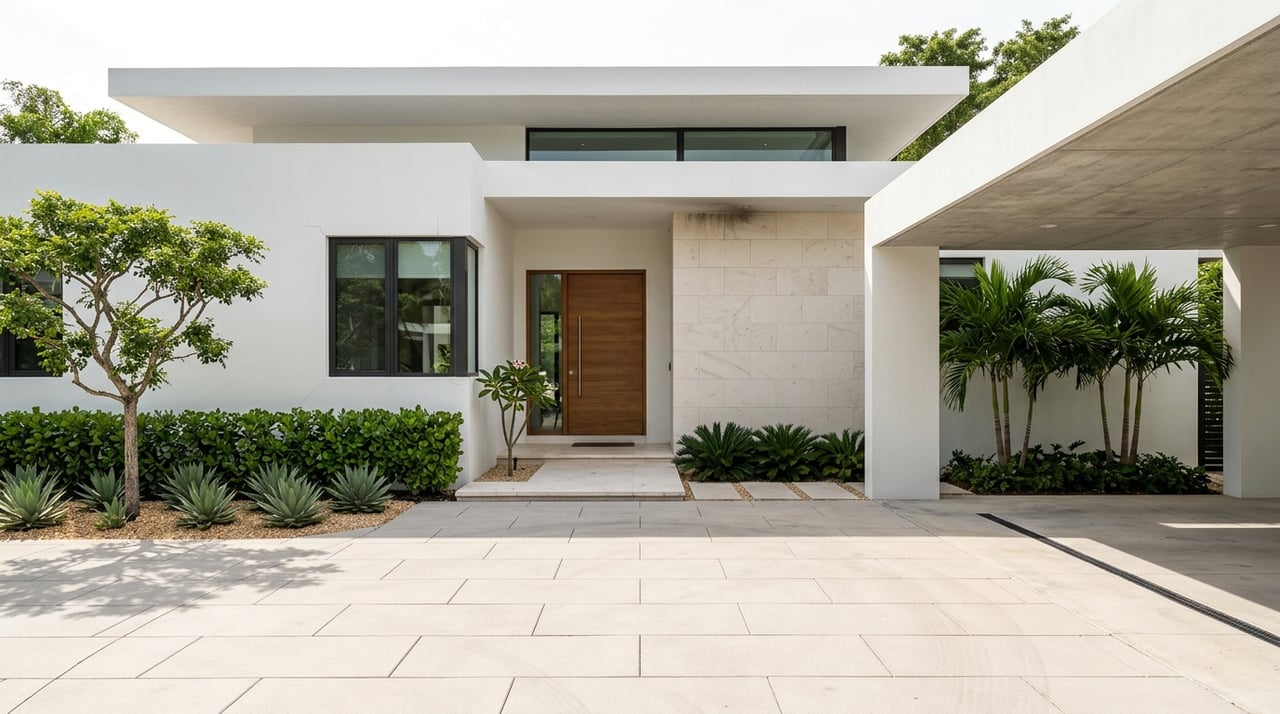
Guaynabo is not a one-size-fits-all housing market. Its housing stock includes single-family homes, attached homes, condominiums, walk-up buildings, and controlled-access urbanizations. That variety gives relocating buyers and renters a wider set of choices than you might expect from a single municipality.
According to the municipal territorial plan, 63.9% of housing units are single-family detached or attached. Another 16.2% are in buildings with 20 or more units, which typically means condominiums or similar multi-unit properties. In simple terms, houses dominate the market, but condo inventory is still an important part of the overall picture.
The municipality also notes that many homes are located in urbanizations or rural and barriada settings. Controlled-access urbanizations have been a steady development pattern since the late 1980s. For a relocating professional, that often means you will see a market shaped by planned residential communities rather than scattered housing alone.
Controlled-Access Communities Matter
One of Guaynabo’s defining housing patterns is the presence of controlled-access urbanizations. The municipal plan points to established communities such as Suchville and Villa Caparra, later examples like Garden Hills and Torrimar, and newer development such as Finca Elena. These names reflect the city’s long-running preference for organized residential enclaves.
For relocation planning, this matters because housing decisions in Guaynabo often go beyond square footage. Many buyers focus on access, parking, and daily convenience when comparing communities. In a market like this, the feel and function of the neighborhood layout can matter just as much as the home itself.
Condos and Walk-Ups Add Flexibility
While houses make up the majority of the housing stock, condos and walk-ups fill an important role in Guaynabo. They are more likely to be concentrated in denser sectors and in areas with stronger access to roads, commercial services, or transit connections. That can make them appealing for people who want a simpler setup or a shorter daily drive.
For early-career transferees or temporary assignees, condo-style living may offer a more practical fit. By contrast, professionals looking for more indoor and outdoor space often focus on houses in established urbanizations. The right choice usually depends on how long you plan to stay and how you want your workweek to function.
What Housing Costs Look Like
Guaynabo should be viewed as a higher-cost housing market within the metro area. The municipal plan’s home-value data shows 18.5% of homes in the $300,000 to $499,999 range, 23.7% in the $500,000 to $999,999 range, and 18.6% at $1,000,000 or more. That is a clear sign that the city serves a higher-value segment of the regional market.
Current public listing trends support that view. Realtor.com reports a median listing home price of $895,000 in Guaynabo, with the market described as a buyer’s market in May 2026. The same source notes a median of 47 days on market, with homes selling for about asking price.
This does not mean every home in Guaynabo sits at the top end of the market. It does mean you should plan around a high six-figure baseline if you are shopping broadly across the municipality. In many cases, the convenience of the location is built into the price.
Typical Public Listing Ranges
Public listing examples show a broad spread across housing types:
- Condos: roughly $150,000 to $616,000
- Single-family homes: about $596,000 to $1.695 million
- Townhomes: around $759,000 to $795,000
These ranges are helpful because they show how product type influences price. If your relocation package or housing budget has limits, narrowing by housing style first can save time. It can also help you match your budget to the kind of day-to-day lifestyle you want.
Commute and Access in Guaynabo
For many corporate relocations, the commute is not a side issue. It is one of the first filters that shapes where you live. Guaynabo performs well here because of its road network and its position within the San Juan metro.
The municipality’s mitigation plan identifies PR-22, PR-2, PR-28, PR-23, PR-17, PR-177, PR-199, and PR-20 as key access corridors. PR-20, also known as Expreso Rafael Martínez Nadal, is especially important because it links north Guaynabo to San Juan. The territorial plan also highlights Calle Carazo as a connector between PR-20 near Plaza Guaynabo, PR-199, and the traditional center.
In practical terms, that means Guaynabo’s residential and commercial areas are closely tied together by short, useful road connections. If you expect frequent trips into Hato Rey or central San Juan, this structure can make daily movement more manageable. Hato Rey is identified in the DTOP 2050 San Juan plan as San Juan’s financial district, which makes that connection especially relevant for many office-based professionals.
Areas That May Suit Commuters
Based on the road and transit pattern, homes near Torrimar, Martínez Nadal, PR-20, or the PR-199 and Plaza Guaynabo corridor are often the most convenient for commuters heading toward Hato Rey and central San Juan. That is an inference drawn from the documented access routes and transit locations. It is a useful starting point if your workday depends on reliable mobility.
Of course, your best fit will depend on your office location, schedule, and tolerance for traffic patterns. Some buyers are willing to trade a longer drive for more house. Others prefer to prioritize a shorter and more predictable route.
Transit Options Beyond Driving
Roads remain the main way people move around Guaynabo, but public transportation still plays a supporting role. The municipality operates a collective transportation service Monday through Friday from 6:00 a.m. to 5:00 p.m. and Saturdays from 8:00 a.m. to 4:00 p.m. Routes include Torrimar, Esmeralda, Guaraguao, White Stones, Canta Gallo and Santa Rosa, Mamey, Bo. Río, Camarones, and Hato Nuevo.
Rail access also adds another layer of convenience. The official Tren Urbano system places the Torrimar station in Guaynabo and the Martínez Nadal station on the Guaynabo-San Juan edge. For some residents, being near one of these stations can create a helpful backup to driving.
Guaynabo is best described as moderately transit-friendly rather than transit-first. If you rely mainly on a car but value having alternatives, that balance may work well for you.
Lifestyle and Daily Convenience
For relocation clients, Guaynabo’s appeal is often less about novelty and more about function. The municipality describes itself as a city of shopping and entertainment, with commercial zones that include San Patricio Village, Plaza Caparra, Plaza Guaynabo, Jardines Reales, Centro Tradicional, Avenida Esmeralda, PR-1, PR-2, Avenida Albolote, Metro Office Park, City View Plaza, Amelia Industrial Park, and Rexco Industrial Park.
That mix supports a practical daily routine. You can often stay close to home for errands, meetings, dining, and basic services. For professionals who want a base that simplifies weekday logistics, that level of convenience can be a major advantage.
This is one reason housing choice in Guaynabo often comes down to daily usability. Buyers commonly weigh parking, access, commute time, and familiarity with the surrounding area alongside layout and finishes. In a relocation move, those details can have a big effect on how quickly a new city feels workable.
What to Expect as a Relocating Buyer
If you are moving to Guaynabo for work, it helps to think in terms of trade-offs rather than perfect matches. A condo may offer easier upkeep and stronger transit access. A home in an established controlled-access urbanization may offer more space and a more traditional residential setting.
Budget is another major factor. Guaynabo is not an entry-level market, and the city’s convenience tends to show up in pricing. Starting with your commute, preferred housing type, and lifestyle needs will usually lead to a better search than starting with square footage alone.
Working with a team that understands both metro access and property positioning can make that process smoother. In a market with a wide range of neighborhoods, home styles, and price points, local guidance can help you narrow options quickly and avoid wasted time.
If you are planning a move to Guaynabo and want a tailored, discreet overview of your best options, Coldwell Banker - Puerto Rico offers private consultation and high-touch guidance designed for buyers who value clarity, strategy, and service.
FAQs
What types of homes are most common in Guaynabo?
- Single-family detached and attached homes are the most common, making up 63.9% of housing units, while condos and larger multi-unit buildings also make up a meaningful share of the market.
Are controlled-access communities common in Guaynabo?
- Yes. Controlled-access urbanizations are a well-established development pattern in Guaynabo and are a notable part of the city’s residential inventory.
Is Guaynabo a good location for commuting to San Juan offices?
- Guaynabo offers strong road access through corridors such as PR-20, PR-2, PR-22, and PR-199, which makes it a practical choice for many professionals commuting into San Juan.
Is Guaynabo transit-friendly for relocating professionals?
- Guaynabo is moderately transit-friendly because it combines municipal bus service with access to the Tren Urbano system through Torrimar and nearby Martínez Nadal stations.
Is Guaynabo considered an affordable housing market?
- No. Available market data points to a higher-cost housing market, with a median listing home price of $895,000 and a significant share of homes in upper price bands.
What should corporate relocation buyers prioritize in Guaynabo?
- Most relocation buyers should focus first on commute routes, housing type, parking, access to commercial areas, and how well a property supports their weekday routine.