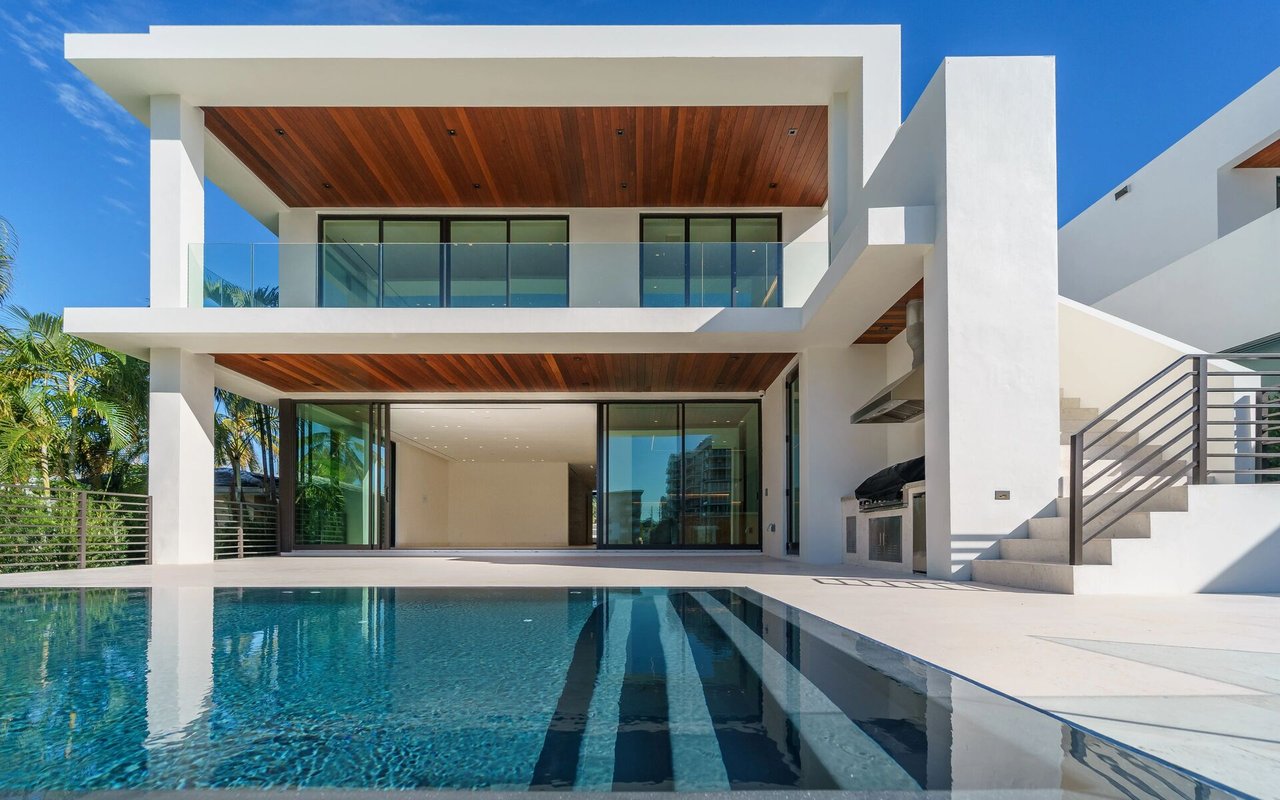
Thinking about a home in Dorado and wondering how the luxury market is changing? You are not alone. Buyers from Puerto Rico and the mainland U.S. are watching this coastal enclave closely as resort living, low density, and lifestyle access continue to shape demand. In this guide, you will learn what is driving Dorado’s evolution, who is buying, what types of homes are available, the real costs to plan for, and how Dorado compares with other Caribbean options. Let’s dive in.
Why Dorado draws luxury buyers
Dorado sits on Puerto Rico’s north coast, about 20 to 30 miles west of San Juan. You get long sandy beaches, championship golf, and established resort and country‑club communities. For many buyers, the combination of beach lifestyle and quick access to the metro area and airport creates a rare balance of ease and escape.
U.S. systems, easy ownership
You purchase in U.S. dollars and work within U.S. legal and financial systems. Title practice, banking, and familiar closing norms simplify the process compared with foreign Caribbean jurisdictions. For many mainland buyers, this reduces complexity and increases confidence.
Resort lifestyle and services
Resort branding and private-club amenities anchor premium pricing. Access to spa and wellness programs, golf, concierge services, and curated dining attracts second‑home and seasonal buyers who value turnkey living and reputable operations. These communities also tend to offer predictable maintenance standards.
Resilience and insurance matter more
Since 2020, climate risk and insurance have become front‑and‑center in transactions. Buyers model wind and flood coverage early, and developers emphasize hurricane‑resistant construction. You should expect insurers and lenders to evaluate elevation, building envelope, mitigation upgrades, and loss history before finalizing terms.
Who is buying in Dorado now
Mainland second‑home buyers
Professionals and retirees from East Coast and Florida markets seek a tropical retreat within a U.S. jurisdiction. They prioritize proximity to major airports, resort amenities, and straightforward ownership. Many plan extended winter stays or flexible remote work seasons.
High‑net‑worth relocators
Some buyers weigh Puerto Rico’s tax and residency incentives as part of a longer‑term move. They look for privacy, larger estates, and secure title structures. If incentives are part of your plan, consult a qualified tax advisor to confirm current requirements and commitments.
Local high‑wealth buyers
Established Puerto Rico‑based buyers compete for the best addresses. They often understand neighborhood nuances, construction standards, and insurance tradeoffs. Their local knowledge can speed diligence and decision‑making.
Investor and rental‑focused buyers
Investors target luxury condos and resort residences with rental program options. They evaluate municipal permitting for short‑term rentals, HOA rules, and seasonality. Net yield models now include realistic insurance and maintenance assumptions.
What you can buy: inventory snapshot
Resort‑branded residences
These offer hotel‑level services, rental programs, and strict standards. They trade at a premium price per square foot and carry higher HOA fees. You gain convenience and strong amenity packages, with rules that can limit personal customization and hosting.
Gated and country‑club estates
Larger lots and standalone homes deliver privacy and community facilities like golf, tennis, and clubhouses. You have more freedom for longer‑term rentals and personal upgrades. Operating costs and hurricane hardening are your responsibility, so plan for a robust maintenance budget.
Golf properties
Homes on or near championship courses remain a signature Dorado draw. Design lines, fairway views, and club memberships factor into value. Verify course assessments, HOA fees, and long‑term course maintenance or redevelopment plans.
Beachfront estates and condos
Direct beach access comes with clear tradeoffs. Single‑family beachfront homes require careful review of flood zones, elevation, and storm protection. Luxury condos can simplify ownership via association management, but you should verify building envelope resilience and any prior loss events.
New development vs resale
New builds tied to resort or private‑equity sponsors tend to deliver modern hurricane‑resistant specs at higher price points. Resales expand your options but vary in condition and retrofit status. Budget for upgrades where wind and flood resilience is not yet optimized.
Pricing and cost factors to model
The luxury segment in Dorado typically commands a premium relative to island averages due to beachfront access, resort branding, and limited supply. You will find a range from entry‑level million‑dollar properties to multi‑million estates, with the deepest activity around resort‑anchored and country‑club communities.
Key cost components to plan:
- Purchase price and closing costs. Local notary fees, municipal transfer taxes, and settlement practices differ from many mainland states.
- Ongoing property taxes. Puerto Rico’s property tax regime is distinct, so verify current municipal rates and any exemptions.
- Insurance. Wind and flood coverage can be significant. Availability, deductibles for named storms, and premiums affect total carrying costs and financing.
- HOA and community fees. Gated and resort communities often have higher fees; check escalation clauses and reserve funding.
- Utilities and maintenance. Coastal properties face salt‑air corrosion, pool and landscape care, and hurricane retrofit budgets.
Common transaction friction points
- Insurance underwriting. Lenders often require proof of insurability. Hurricane retrofits can help, but they need proper certification.
- Title and survey. Obtain a clear title search and updated survey. Confirm easements and any beach‑access clauses.
- Flood zone and elevation. Check FEMA flood maps and elevation certificates where applicable. Elevation can influence premiums and loan terms.
- Rental and zoning rules. Review municipal short‑term rental rules and HOA or resort restrictions before you buy.
- Local financing. Mortgages are available, but underwriting can be tighter with larger down payments. Cash offers remain common at the top of the market.
Dorado vs other Caribbean options
U.S. territory advantages
Buying in a U.S. jurisdiction means familiar legal, banking, and currency systems. Travel logistics to San Juan are simple from major mainland hubs. Dorado’s resort infrastructure offers predictable amenities, services, and property management standards.
Constraints to weigh
Dorado shares Atlantic hurricane exposure with many Caribbean islands, so insurance and resilience are essential. Ultra‑prime, super‑exclusive estates exist but the segment is thinner than in boutique luxury islands like certain Bahamian cays or St. Barts. As in any island market, infrastructure and municipal services vary, so property‑level diligence matters.
Typical buyer tradeoffs
If you value U.S. legal simplicity, proximity to the mainland, and resort services, Dorado often outranks foreign Caribbean options. If your top priority is absolute exclusivity or non‑U.S. regulatory regimes, you may compare other jurisdictions.
Smart due diligence checklist
Use this list to shorten timelines and avoid surprises:
- Market verification
- Review local MLS luxury comps and recent municipal sales records.
- Focus on micro‑market trends near your target communities rather than island‑wide medians.
- Insurance and resilience
- Obtain pre‑quotes for wind and flood coverage for each property and confirm named‑storm deductibles.
- Verify hurricane‑rated windows and doors, roof attachments, and elevation certificates.
- Title, zoning, and governance
- Order a full title search and updated survey; review easements and beach‑access rights.
- Analyze HOA financials, reserve studies, rental restrictions, and any special assessment history.
- Financial and tax planning
- If considering residency incentives, consult a qualified tax advisor on current requirements and timelines.
- Confirm closing cost structure, including notary, transfer tax, and legal fees.
- Operations and services
- Assess property management, security, and contractor availability for storm readiness.
- Test utility reliability and internet connectivity if you plan to work remotely.
- Neighborhood specifics
- For golf homes, confirm membership caps and developer covenants.
- For resort-branded residences, review rental programs, usage rules, and membership transfer policies.
How to position your offer
- Line up insurance early. Ask for insurability checks and premium estimates before finalizing price. This protects your budget and strengthens your offer with lenders and sellers.
- Clarify financing. If using a local bank, expect detailed underwriting and potentially larger down payments. All‑cash or high‑equity offers can simplify timelines.
- Time your inspections. Book licensed inspectors and surveyors quickly, and confirm availability for any structural or envelope assessments tied to hurricane resilience.
- Review HOA documents. Read budget, reserves, rules, and pending assessments before you waive contingencies.
- Plan for upgrades. If a property lacks modern retrofits, price the work and ask for credits or plan post‑close improvements.
Work with a trusted advisor
Dorado’s luxury market is defined by resort infrastructure, limited supply, and detailed diligence around insurance, title, and governance. A boutique, high‑touch team with deep local knowledge and global reach helps you see both the lifestyle upside and the real risk‑adjusted costs. If you are comparing Dorado to other Caribbean options, an informed, data‑driven process will guide you toward the right community, ownership structure, and long‑term plan.
Ready to start a private conversation about your goals in Dorado or along Puerto Rico’s north coast? Connect with the team at Coldwell Banker - Puerto Rico for a confidential, high‑touch plan tailored to you.
FAQs
What makes Dorado’s luxury market different from other Caribbean islands?
- Dorado offers U.S. legal and financial systems, easy travel to San Juan, and established resort and country‑club infrastructure, which simplify ownership compared with foreign jurisdictions.
Who is buying luxury property in Dorado right now?
- Mainland second‑home buyers, high‑net‑worth relocators, local high‑wealth families, and investor buyers focused on resort residences and luxury condos are all active.
What types of luxury homes are most common in Dorado?
- Resort‑branded residences, gated country‑club estates, golf properties, and beachfront estates or condos make up the core inventory.
How important is insurance in a Dorado purchase?
- Insurance is a primary variable; wind and flood coverage, deductibles, and proof of insurability can affect both financing and total carrying costs.
How do resort communities impact rental options and fees?
- Resort and HOA rules often govern rentals, with higher fees and stricter standards; review programs, restrictions, and reserve funding before you buy.
What due diligence should I do before making an offer in Dorado?
- Obtain insurance pre‑quotes, verify title and surveys, check FEMA flood zones and elevation, review HOA financials and rules, and confirm closing costs and local lending terms.