If you are thinking about buying a second home or investment property in Aguadilla, it is easy to get distracted by ocean views and vacation appeal. But a smart purchase here starts with something more practical: how the property will actually function for you over time. When you evaluate access, resilience, and operating costs before finishes and photos, you can make a more confident decision. Let’s dive in.
Start With Aguadilla’s Market Context
Aguadilla offers a different buying profile than some of Puerto Rico’s higher-priced coastal markets. According to U.S. Census QuickFacts for Aguadilla Municipio, the 2020-2024 median owner-occupied home value is $150,800, compared with higher figures in San Juan and Dorado, and slightly below Rincón.
That matters because your property search should focus on micro-location and intended use, not broad island comparisons. In Aguadilla, one street or building may fit seasonal use very well, while another may create challenges with parking, upkeep, or rental performance.
If you are considering long-term rental income, local affordability also matters. The same Census profile shows a median household income of $21,540, so conservative rent assumptions are important when you underwrite a property.
Prioritize Access Before Aesthetics
In Aguadilla, access can shape value just as much as the property itself. One of the area’s biggest practical advantages is Rafael Hernández International Airport, which serves as a key connection between Puerto Rico’s west coast and the U.S. mainland.
For a second home, this can mean easier weekend use, simpler guest travel, and less friction if you plan to come and go often. For an investment property, airport access can support demand from travelers who want a more convenient arrival point on the west side of the island.
When you tour homes or condos, ask yourself a few direct questions:
- How long is the drive to the airport in normal traffic?
- Is the route easy for guests or service providers to navigate?
- How close are groceries, pharmacies, and medical care?
- Is parking reliable for owners and visitors?
A beautiful property can still be inconvenient if everyday logistics are difficult. In a market with seasonal use and guest turnover, convenience is part of the investment story.
Compare Aguadilla Micro-Locations Carefully
Not every beach-area property in Aguadilla serves the same buyer goal. Crash Boat Beach is one of the area’s best-known coastal destinations, while Peña Blanca Beach is smaller, residential in feel, and has limited parking. Surfer’s Beach and Punta Borinquen support the area’s strong surf identity.
That variety is a strength, but it also means you should match the location to your real use case. A property near a popular beach may be attractive for short stays, but guest access, parking, and traffic patterns may need closer review.
Think Beyond “Near The Beach”
Beach proximity sounds simple, but it is not enough on its own. You should also evaluate:
- Parking availability
- Road access and condition
- Privacy levels during weekends or peak seasons
- Ease of check-in for guests
- Distance to daily services
A home that looks ideal on a map may feel very different during a busy Saturday afternoon. In Aguadilla, small location details can have a big effect on usability.
Choose The Right Property Type
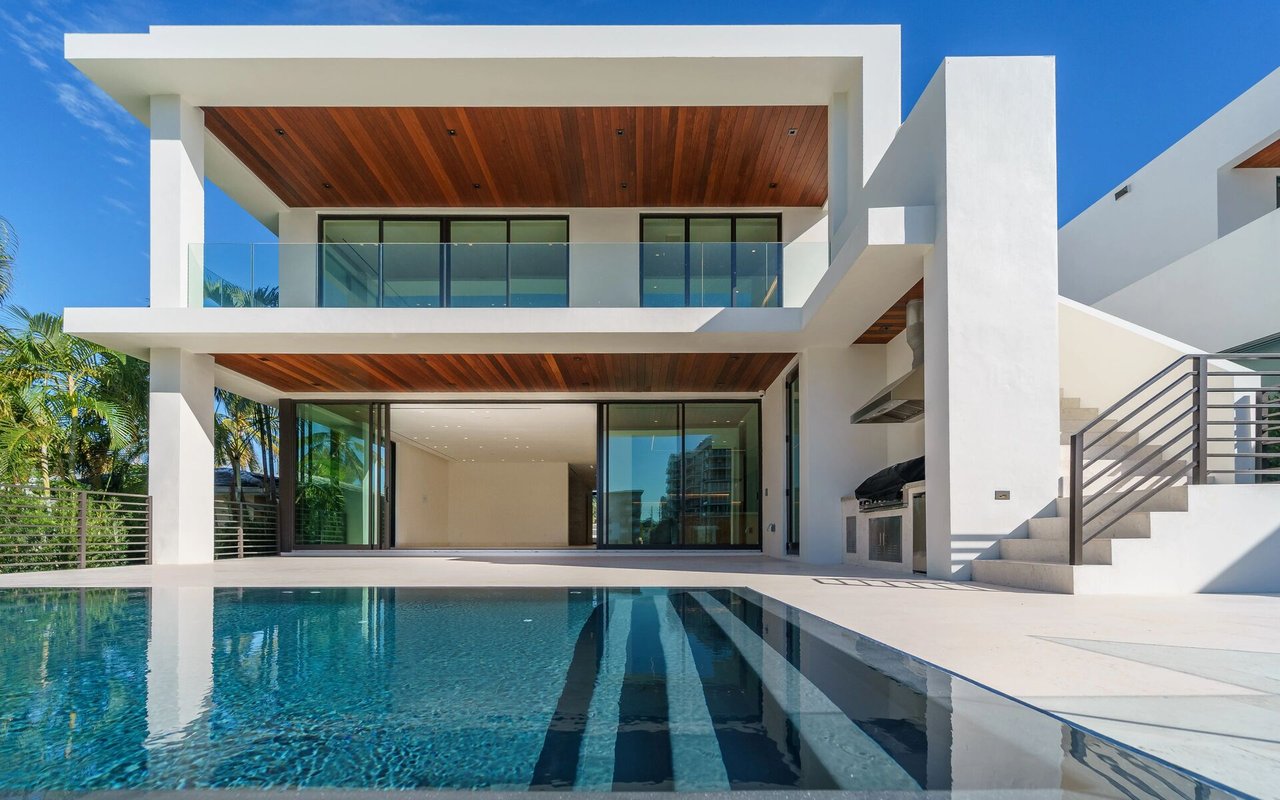
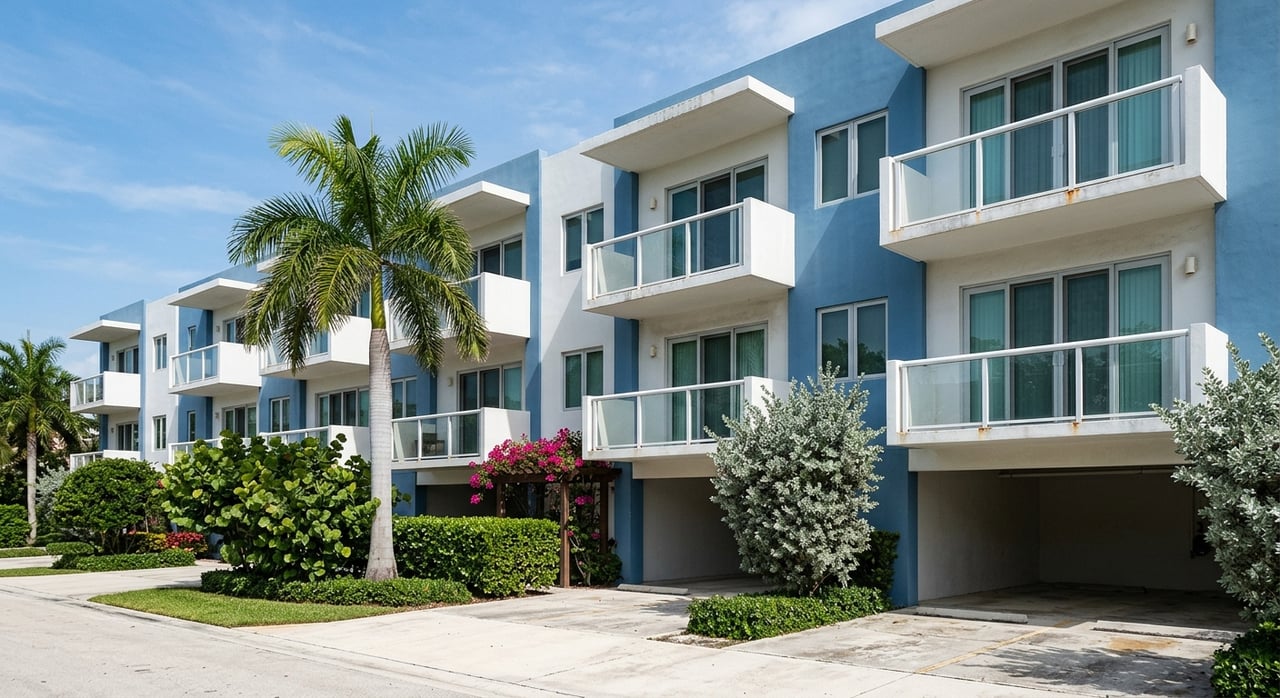
One of the biggest decisions is whether a condominium or detached home better fits your goals. For many buyers, the question is really about ease of ownership versus privacy and control.
A condo may be more practical if you want lock-and-leave convenience and a simpler seasonal routine. A detached home may offer more space and privacy, but it can also come with more exterior maintenance, more exposure to weather, and more responsibility between visits.
Condo vs. Detached Home
| Property Type | Potential Advantages | Key Evaluation Points |
|---|---|---|
| Condominium | Easier lock-and-leave use, shared maintenance structure, often simpler guest operations | HOA rules, fees, rental restrictions, parking, storage |
| Detached Home | More privacy, more flexibility, potentially larger outdoor areas | Exterior upkeep, storm exposure, drainage, security, maintenance planning |
In Aguadilla, this decision should be tested against coastal conditions, turnover needs, and how often the property will sit vacant. The right answer is not always the most visually impressive option.
Evaluate Coastal Resilience Early
If a property is near the coast, resilience should be part of your decision from the beginning. Puerto Rico’s coastal zone program notes that the coastal zone extends one kilometer inland and may include additional areas tied to important coastal systems.
For buyers, that means a beach-adjacent property may involve more questions if you plan future improvements, additions, or site work. It is wise to ask early about permit history, prior alterations, and whether future plans could face extra review.
Review Weather And Insurance Risks
Puerto Rico’s Office of the Commissioner of Insurance reminds property owners to review coverage before hurricane season and notes that flood coverage is separate from a standard property policy. Mortgage lenders also often require hazard insurance.
Before you close, take a careful look at:
- Roof condition
- Windows and shutters
- Drainage around the site
- Signs of prior water intrusion
- Current insurance availability and cost
These issues are not minor details. They can directly affect both ownership costs and your ability to use or rent the property smoothly.
Budget For Ongoing Coastal Maintenance
Coastal ownership often comes with recurring upkeep. According to NOAA’s work on sargassum in Puerto Rico, large influxes have increased since 2011 and can affect tourism, infrastructure, and health conditions.
That does not mean coastal property is a poor choice. It simply means you should budget for maintenance, cleaning, and guest-experience management as part of normal ownership, especially if your plan includes short-term stays.
Define Your Usage Model Clearly
Aguadilla can work well for seasonal living, part-time use, or rental income, but only if your operating plan is clear. Before you buy, decide whether the property is mainly for personal use, short-term rental use, long-term rental use, or some blend of the three.
That answer affects location, layout, furnishing needs, parking expectations, and your monthly budget. It also changes how you should review regulations and carrying costs.
If You Plan Short-Term Rentals
If the property will be used for stays of less than 90 consecutive days, the Puerto Rico Tourism Company states that these stays are subject to a 7% room occupancy tax. Owners must also register as innkeepers and file monthly declarations by the 10th of the following month.
This applies to studios, apartments, homes, villas, and other short-term rental properties. If that is your plan, verify that the building or community rules allow the use you intend.
If You Plan Long-Term Rentals
Long-term rental buyers should underwrite conservatively. Local income levels, combined with Aguadilla’s broader economic profile, support a more measured approach than assumptions borrowed from higher-cost resort markets.
A long-term rental can still make sense, but it should be evaluated based on realistic rent levels, expected vacancy, maintenance reserves, and tenant demand tied to the local market.
Model The Full Cost Of Ownership
Purchase price is only one part of the equation. To evaluate a second home or investment property properly, you need to estimate the full carrying cost from day one.
Puerto Rico’s Treasury explanation of the tax code notes that real property taxes are collected by CRIM and based on assessed value. That means taxes should be modeled separately, not folded into a rough estimate.
Your ownership budget should include:
- Mortgage payment, if applicable
- CRIM property tax
- Hazard and flood insurance, if needed
- HOA or condominium fees
- Repairs and reserve funds
- Property management, if applicable
- Utilities and maintenance between visits
A property can look affordable on paper until these line items are added. A disciplined review helps you avoid surprises after closing.
Follow A Smart Due Diligence Checklist
Aguadilla buyers benefit from a structured process. Before you commit, confirm the details that affect legal use, operating costs, and long-term flexibility.
A strong checklist includes:
- Confirm title status
- Review permit and improvement history
- Verify HOA or condominium rules
- Estimate CRIM taxes and insurance costs
- Test whether the location supports your intended use
- Line up local legal, tax, insurance, and property-management guidance before closing
This kind of diligence is especially important when you are buying from off-island or planning to use the property seasonally. The more clearly you define your ownership plan now, the better your experience tends to be later.
Focus On Fit, Not Just Appeal
The best second home or investment property in Aguadilla is not always the one with the best listing photos. It is the one that aligns with how you plan to use it, what you want it to cost, and how much complexity you are willing to manage.
In practical terms, the strongest evaluations usually follow a simple order: access first, resilience second, and operating model third. When you use that framework, you can compare opportunities more clearly and make decisions with greater confidence.
If you are weighing opportunities in Aguadilla or elsewhere in Puerto Rico, Coldwell Banker - Puerto Rico offers private, high-touch guidance designed to help you evaluate each property with clarity and discretion.
FAQs
What should you look at first when evaluating a second home in Aguadilla?
- Start with access, including airport convenience, parking, road access, and proximity to everyday services like groceries, pharmacies, and medical care.
How important is airport access for an investment property in Aguadilla?
- Airport access matters because Rafael Hernández International Airport supports travel between Aguadilla and the U.S. mainland, which can improve convenience for owners and guests.
Are all beach areas in Aguadilla equally suitable for investment use?
- No. Beach areas in Aguadilla vary by parking, accessibility, traffic patterns, and day-to-day usability, so each micro-location should be reviewed based on your intended use.
What extra costs should you budget for with a coastal property in Aguadilla?
- You should budget for insurance, CRIM property taxes, maintenance reserves, possible storm-related repairs, and recurring exterior upkeep tied to coastal exposure.
What should you know about short-term rentals in Aguadilla, Puerto Rico?
- If you plan to rent for stays under 90 consecutive days, the Puerto Rico Tourism Company says the stay is subject to a 7% room occupancy tax, and owners must register and file monthly declarations.
Why is due diligence especially important for Aguadilla investment properties?
- Due diligence helps you confirm title, permits, rules, taxes, insurance, and whether the property truly fits your personal-use or rental strategy before you buy.